Doctors of the World condemn the Demolitions in Khan Al-Ahmar and Abu-a-Nuwar

Published 18th July 2018

The Médecins du Monde (MDM) chapters in Palestine express great concern and join the international community outrage regarding the demolition of the Bedouin community structures in Abu-a-Nuwar by Israel and the expected demolition of Khan Al-Ahmar, affecting hundreds of Palestinian Bedouins.

On 3 July 2018, the Israel Civil Administration (ICA) started to prepare the demolition of the Bedouin community of Khan al-Ahmar and declared the area a military zone, following the 25 May 2018 Israeli High Court of Justice ruling to demolish it. Khan al-Ahmar is home to 235 people, 53 per cent of whom are children and 95 per cent of whom are Palestinian Bedouin refugees. While the eyes of the international community were on Khan Al-Ahmar on Wednesday 4 July, the Israeli Civil Administration demolished 19 structures, displacing 51 people in Abu-a-Nuwar, another Bedouin community home to approximately 650 Palestinians.

The Bedouin community, mostly living in extremely difficult conditions in the West Bank and Negev, is particularly vulnerable with important humanitarian aid needs. The Bedouin families of Khan Al-Ahmar and Abu-a-Nuwar moved there after being expelled in the 1950s from their pastoral lands in Beersheba. In 2016 only, the Abu-a-Nuwar school was partially destroyed in three different occasions and in February 2018, two school structures of this community were demolished. Despite the last-minute Israeli High Court of Justice injunction suspending temporarily the demolitions, the families of Khan al-Ahmar remain at high risk of being dispossessed from their homes and relocated against their will. Today, 46 communities are also at risk of demolition and forcible transfer.

Since 1967, Israel has been pursuing a planning and zoning regime aimed at expanding its settlements in the West Bank and East Jerusalem. While the ICA has designated 70% of Area C (44% of the West Bank) for Israeli settlements or military use, only 1% of Area C has been assigned for Palestinian constructions. This has resulted in 5,450 demolitions and 8,353 displaced people since 2009. To counter this, in late 2014 the UN Security Council (UNSC) adopted Resolution 2334 condemning the demolition of homes and displacement of civilians as well as reaffirming that the establishment of settlements in the West Bank “constitutes a flagrant violation under international law.” Notwithstanding this state-binding resolution and the reiterated international condemnations, forcible transfers persist while settlements continue to expand.

Present in Palestine for over 23 years, MDM has been working on the psychosocial impact of occupation-related violence and forced displacement, including the communities of Khan Al-Ahmar and Abu-a-Nuwar, as well as attending the post-detention psychosocial needs of children and young adolescents in the West Bank.

The three MDM chapters in Palestine, namely Doctors of the World France, Spain and Switzerland, condemn Israel’s evictions and demolitions of Palestinian houses, and service structures throughout the West Bank. In this regard, the MdM chapters reiterate that under the fourth Geneva Convention, the unlawful destruction of property and the forcible transfer of protected persons under occupation represent grave breaches and liable to penal actions.

The MDM chapters join the international community call upon Israel to reverse these decisions and fully meet its obligations as an occupying power under International Humanitarian Law.

Finally, the MDM chapters urge the international community to resort to appropriate measures to bring Israel into compliance with its international obligations, including concrete measures to ensure the application of UNSC Resolution 2334 and demand restitution or compensation from the Government of Israel for the demolition or confiscation of Palestinian property funded by donors.

‘As the NHS turns 70 this week there is much to be proud of, and much to fight for’: A blog by UK Health Advisor Lucinda Hiam

Published 6th July 2018

As the NHS turns 70 this week there is much to be proud of, and much to fight for. I started working as a doctor in the NHS in 2009 and even in that short time it has changed profoundly, and not always for the better.

In January 2017, the practice of sharing patient information began. NHS Digital entered a deal with the Home Office which allowed immigration officials to request patients’ personal information, including their last known address and date of birth, without their consent and their GP’s knowledge. The deal meant many patients were too scared to access healthcare due to fear of arrest, detention and potential deportation.

We saw the impact of the fear this deal created every day in our Doctors of the World (DOTW) UK clinic, where we treat patients who are struggling to access healthcare through no fault of their own. We see pregnant women too scared to give their address or attend antenatal care, increasing the risk of complications for them and their baby. One woman came to our clinic in labour because she was too afraid to go to hospital. These cases are particularly devastating for us to work with because they are preventable. Years of progress in maternal health care is being undone by denying access to those who need it.

A group of organisations stood up to this draconian policy through our #StopSharing campaign, and by giving evidence to the cross party Health and Social Care Committee. We also welcomed committee MPs Paul Williams and Luciana Berger to our clinic to listen to patients who were too scared to see their GP. Thankfully, this agreement that violated patient confidentiality and the doctor-patient relationship has now been amended. We eagerly await the new terms.

Despite this success, many challenges remain. The government’s “hostile environment” continues to weaponise healthcare, putting both individual and public health at risk. In October 2017, upfront charging was introduced for those unable to prove they are entitled to NHS care. With a few exceptions, if a patient cannot pay up front, they are refused care. As a health advisor, I have seen the devastating impact this has on people. I have seen people refused heart surgery, denied cancer treatment or have their chemotherapy stopped.

One patient left in this terrifying position was Djibril, who arrived in the UK 17 years earlier, fleeing political persecution in his home country. Even though his asylum claim was refused, his country of origin would not issue papers to enable him to return, leaving him stuck in limbo. He was diagnosed with cancer in 2016 and told he needed surgery, but the operation was cancelled because of his immigration status.

Djibril’s medical notes explained that there was a risk of the cancer spreading if he did not receive treatment, yet his surgery was deemed “non-urgent” and was withheld unless he paid a huge sum in advance. He said he was “very scared and desperate” and he worried that his “days were numbered”. With our help and a lawyer, the treatment was finally provided.

It shouldn’t be this way. Denying people healthcare is inhumane, costs the NHS far more in the long run and puts doctors in an impossible position. Doctors want to treat the patient in front of them – they must be allowed to do their job.

On July 5 1948 the NHS was founded on three principles: that it meet the needs of everyone, that it be free at the point of delivery and that it be based on clinical need, not ability to pay.

It is these principles that make it an honour and a privilege to be one of the 1.5 million people in the UK who work to keep the NHS going every hour of every day. These principles top the list of things that make people most proud to be British, and keep the UK at the top of the global list of health system performance scores, despite funding failing to keep pace with demand. And it is these principles we must fight to restore.

Dr Lucinda Hiam, UK Programme Health Advisor at Doctors of the World UK 

Celebrate Refugee Week: Send a Welcome Message to a Refugee

Published 17th June 2018

Refugee’s Welcome! Let’s show the best of British and def eat the hostile< environment this Refugee’s Week

Doctors of the World is asking members of the public to send welcome messages to refugees in the UK.

To mark Refugee Week, we’ve created www.radiorefugee.org.uk/refugee-week, which allows people to also share a favourite song with refugees.

Many refugees have reported the ‘hostile environment’ created by the government means they often feel alone, isolated and scared. Together with an increase in hate crime, it means that Brits have been accused of not being as kind and compassionate as we once were.

By choosing a song and sharing a message you can show your support for refugees across Europe and the rest of the world. Together we can turn the tide against hostility.

Choose a song and show your solidarity

Refugees have had to abandon their home, friends and often their families. For many, happier times feel like a lifetime ago and the chance of creating new memories seems remote.

It is hard to imagine how much every single refugee longs for the chance to make new and happy memories after all they have been through.

Often it is a small act of kindness that brings humanity and hope for those living in a refugee camp. The volunteer who translated for you. The doctor who treated your injuries or got you some pills for your hacking cough. Someone who simply listened to your story.

These moments and memories will not replace home. But they can be a start. A spark of hope for a new life.

By sharing a welcome message, choosing your own favourtie song and reading the stories of refugees and medical volunteers and workers, you can show your own empathy and support.

Make someone smile to day and show you care.

The easy to use website makes it simple to find a song. You can then share it with friends and family.

Can’t think of a song? Here are some ideas to get you started:

Feels like home by Bryan Adams

I’d like to teach the world to sing by New Seekers

Roar by Kate Perry

So why not put a smile on someone’s face and help make refugee’s welcome?

Safe Surgeries network launch as research shows wrongful GP refusals

Published 7th June 2018

New research published by Doctors of the World UK today has found that 1 in 5 attempts to register vulnerable patients are being wrongfully refused by GP surgeries in England, despite being fully entitled to access NHS primary care.

Pregnant women, children, homeless people, survivors of torture and trafficking and people who have fled war, most of them Londoners, are among those who have been wrongly turned away. Findings demonstrate worrying inequalities in access to primary care, putting public health and the health and wellbeing of vulnerable people at risk.

Key findings of the Registration Refused study include:

  • Of the 1,717 attempts* by DOTW caseworkers to register patients with their local GP in 2017, one fifth were refused.
  • Lack of ID or proof of address was the most common reason for refusal (affecting 60% of attempts) and 10% of attempts were refused based on the patient’s immigration status.
  • Inconsistency in decision-making indicates patchy understanding of healthcare entitlement: 14% of practices accepted some registrations and refused others, while 16% always refused.

DOTW data across 2016-2017 show similar rates and reasons for refusal over time. This indicates little progress is being made, despite NHS England guidelines which clarify that registration should never be refused due to immigration status or lack of paperwork.

“People are too often turned away by GP practices because of a lack of understanding among reception staff of their entitlements and the paperwork needed to register,” said Dr Peter Gough, GP and DOTW UK clinic volunteer.

“At the Doctors of the World clinic, we regularly see pregnant women, people suffering from mental health issues, chronic diseases and even cancer who haven’t been able to see a doctor. We need to do better to ensure that everyone can access basic healthcare, especially people in vulnerable circumstances who are often most in need.”

Launch of the Safe Surgeries initiative

In recognition of the increasing workloads faced by GP practice staff and the widespread barriers to registration, DOTW UK is today launching the Safe Surgeries initiative to support GP practices to provide safe and accessible services to everyone in their community.

Practices who become Safe Surgeries can gain access to training, tailored safe_surgeries_toolkit_A4_web_FINAL, and a supportive national network of practices committed to tackling the barriers preventing vulnerable people from accessing their services.

The first Safe Surgeries have already signed up in London, Manchester and Birmingham.

Dr Jenny Akhurst, a GP at one of our first Safe Surgeries, explained what led her south London practice to join:

“As a GP I’m concerned about the patients we’re not seeing, who are invisible to us because they haven’t been able to register or advocate for themselves.”

“We joined Safe Surgeries because we want to be clear to our staff, patients and community that we’re doing everything we can to reduce those barriers. We’ve committed to Safe Surgeries so that there is no ambiguity when people come to us: they’re entitled to register with a GP and they can do so without ID or proof of address if they need to.”

*Attempts which were refused because the patient was outside the practice catchment area or the practice list was full were excluded from the analysis.

For more information please contact Jennie Corbett: JCorbett@doctorsoftheworld.org.uk

Gaza: Emergency Appeal

Published 22nd May 2018

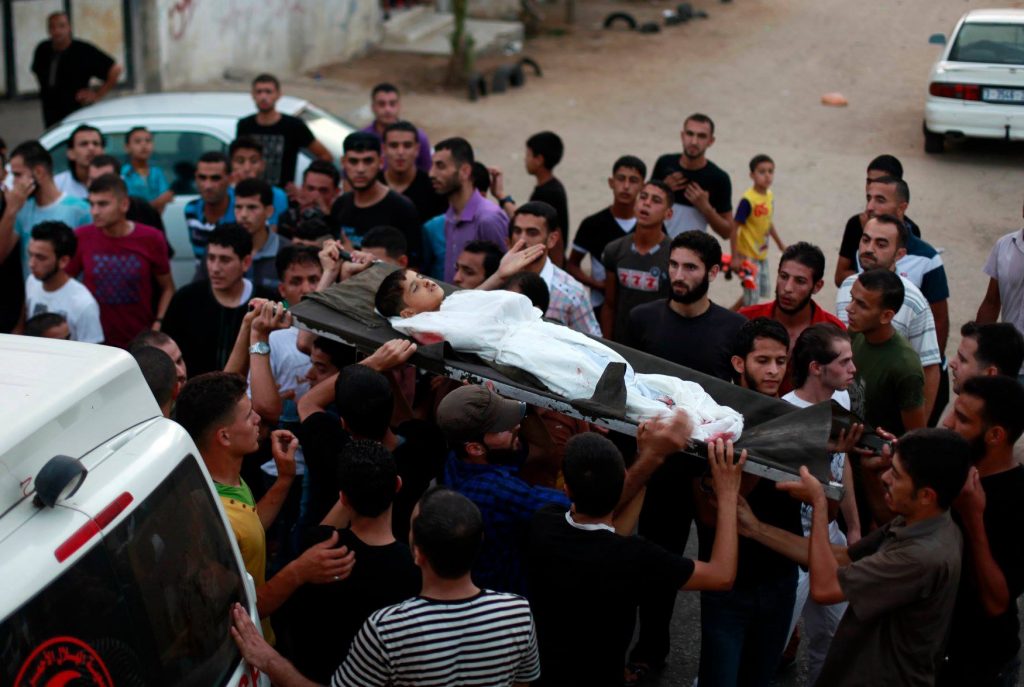
A child being carried on a stretcher in Gaza. Sadly it was too late to save his life. All photos (c) Hosam Salem

Tragically, it was too late to save this child’s life in Gaza.

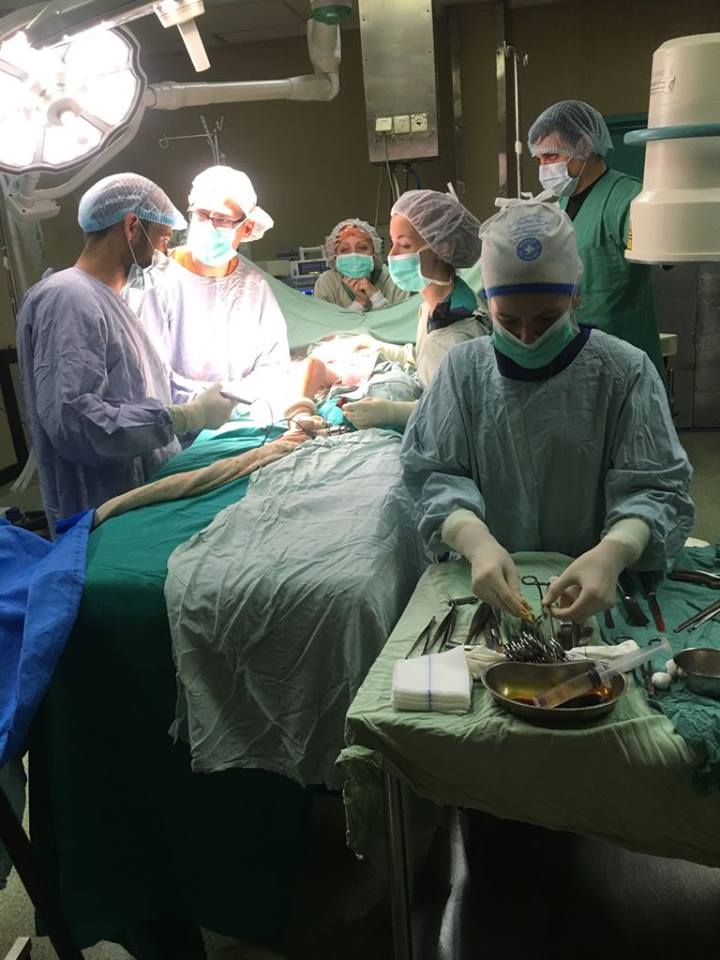
However, our team are working at Nasser Hospital in Khan Younis to provide surgical support for dozens of patients.

You can help save lives by donating to our Gaza appeal now.

We plan to provide specialised and complex surgical and post-operative care at Nasser and Al Aqsa Hospital for at least the next six months. We can only do it with your support though.

Over 100 Palestinians have been killed and thousands more have been injured in the violence so far. Gaza’s health infrastructure is struggling to cope with the influx of injuries and casualties.

We urgently need to get medical supplies through the blockade and to help the wounded.

Please join other kind and compassionate people and give today.

Our team is already working in Nasser Hospital saving lives. You can help keep the emergency clinic open. All photos (c) Hosam Salem

Healthcare workers amongst the injured in Palestine

Published 15th May 2018

Doctors of the World staff inspecting a bombed hospital in Gaza in 2014 by Sacha Petryszyn

Doctors of the World colleagues from France, Spain and Switzerland have provided healthcare services in Palestine for 16 years.

Today, colleagues expressed their deepest concern regarding Israel’s violent response against Palestinian civilians demonstrating near the perimeter fence with Israel in Gaza.

This condemnation has increased since the killing of 59 protestors on Monday.

Over the previous six weeks, the Israeli army had killed 45 Palestinians, including four children, and injured more than 8,500 civilians protesting for their right to return.

Furthermore, according to the World Health Organisation, 169 healthcare staff have been injured and 19 ambulances have been damaged as a result of the violent response.

In recent times, the hospitals in Gaza have treated 4,045 victims with severe injuries, 18 per cent of them are under age and less than half of the urgent patients requiring referral to other hospitals outside Gaza have received the necessary exit permit from Israel. The high number of emergency cases is challenging hospitals’ capacity and putting on hold thousands of elective surgeries.

DOTW medical teams have been working with volunteers, primary health centre staff and emergency departments in six hospitals to improve emergency preparedness, as well as providing paediatric orthopaedic surgeries.

Health services in particular are constantly struggling to cope with the increasing problems:

– Water pollution and lack of potable water represent an imminent risk of waterborne diseases.
– Almost half of essential drugs and disposables are constantly unavailable.
– Electricity cuts limit regular provision to four hours per day, and therefore hampering the quality and services primary health centres and hospitals provide.

As this tragic situation unfolds, Doctors of the World calls for the absolute respect to the right to health, in particular eliminating any obstacle to access to health services outside the Gaza strip.

Government will halt NHS datasharing with Home Office except for serious crime

Published 9th May 2018

A statement from our President, Dr Tim Dudderidge

Today’s decision marks a victory for doctors, patients and everyone who has fought for access to healthcare for the most vulnerable in our society.

The government has declared that a Memorandum of Understanding (MoU), which requires the NHS to share patient records with the Home Office for the purposes of immigration enforcement, will be amended. Requests for patient information will now only be approved in much more limited circumstances, primarily in cases involving ‘serious criminality’.

The MoU made many patients too frightened to see a doctor. Within a health service founded upon the principle of putting patients first, the deal compromised patient confidentiality without the knowledge or consent of its doctors. The news that it will be suspended means that Doctors of the World (DOTW) UK patients, many of whom are survivors of torture or trafficking, will no longer have to suffer the indignity of going without healthcare out of fear that their records will be shared with the Home Office.

We know that confidentiality and doctor-patient trust is at the core of our NHS. That’s why today’s news, which means that NHS doctors can get on with doing what they do best – looking after the health of everybody in our community- is something to celebrate.

However, there is work still to be done and fine-print to be checked.

My colleagues and I eagerly await the text of the updated MoU so that we can clarify a number of crucial points.

To name a few, we will seek to ensure that the government’s definition of ‘serious criminality’ aligns with that of the General Medical Council. Furthermore, the parties to the agreement need to be clear in what form data-sharing will continue; who it will affect and how they will be identified.

We express our gratitude to the Health Select Committee, and in particular to Dr Sarah Wollaston, for taking on this issue, as well as to all those who campaigned with us. #StopSharing

See today’s coverage from the Guardian and the BBC.

We parodied Theresa May’s “Go Home” vans in protest of the “hostile environment” in the NHS

Published 3rd May 2018

Yesterday, we took our #StopSharing campaign to Westminster by parodying Theresa May’s “Go Home” vans. While the van drove around Westminster and circled the streets surrounding the Home Office, we, along with doctors, nurses and patients, stood in protest outside the Home Office saying “no” to “hostile environment” policies in the NHS. The original “Go Home” vans, which were driven around 6 London boroughs with areas of high migration in 2013, instilled an environment of fear and hostility, and have since become synonymous with May’s “hostile environment” policies. Our van mimicked the visuals but changed the messaging to target the Home Office, it read: “Doctors acting as Border Guards? 70,000 doctors and patients say NO to sharing patient data with the Home Office”.

Despite rain and a very early start, Medact, DocsNotCops, the National AIDS Trust, the Helen Bamber Foundation, Migrants Organise, and other organisations joined us, in the fight to end hostility in the NHS and make it safe for patients to access care without fear. Chanting “patients not passports” and “stop sharing in the NHS”, we stood in solidarity with our patients who are suffering as a result of these life threatening policies.

“Hostile environment” in the NHS

In early 2017, a damaging deal was made between NHS Digital and the Home Office allowing immigration officials to request patients’ personal details, including home address, date of birth and GP’s details. This information is then used to trace patients, detain them, and in some cases deport them.  In 2017 NHS Digital responded to 5,923 requests from the Home Office for information on patients suspected of committing immigration offences.[1]

Later in 2017, the Government introduced yet more harmful regulations forcing hospitals to withhold non-urgent care from anyone deemed ineligible for NHS care. Urgent and immediately necessary care should not be withheld but, as highlighted by the case of Windrush migrant Albert Thompson, the policy has seen cancer treatment withheld from patients.

Protest in the press

Our President, Dr Tim Dudderidge, writing in the Guardian, explained why we spoofed the “Go Home” vans and the terrible impact the “hostile environment” has on both patients and doctors.

Tim, quoted in Novara said: “for us it is of great concern that patients with serious health needs are scared of attending NHS services because they fear the Home Office […] doctors should not be prevented from caring for patients in need in this way”.

Our volunteer Dr, Pratheep Suntharamoorthy, a practising GP, was featured in the BMJ talking about the impact of Home Office polices on patients: “in the work that I do for the clinic we see a lot of patients who have always been hesitant about registering with GPs because of the risk that their information will be shared, but we used to be able to persuade them to do so,” he said. “Now we have to tell them that it is highly likely that information about them will be shared with the Home Office, and this has made them even more reluctant to register with a practice”.

The Huffington Post quoted Dr Peter Gough, a DOTW UK volunteer and Trustee: “Today, as doctors and nurses who work in the NHS, we are fighting for the right to provide care to our patients, and we look to the secretary of state for health and social care to protect the NHS from policies the that undermine the provision of healthcare”.

While yesterday was a great success in the bid to raise awareness about the “hostile environment”, we still have a long way to go and will keep campaigning until Home Office polices are removed from our NHS.

Read more about our #StopSharing campaign here: https://www.doctorsoftheworld.org.uk/what-we-stand-for/campaigns/

[1] http://data.parliament.uk/writtenevidence/committeeevidence.svc/evidencedocument/health-and-social-care-committee/memorandum-of-understanding-on-datasharing-between-nhs-digital-and-the-home-office/written/76672.pdfv

Doctors of the World take the battle to Westminster by parodying Theresa May’s ‘Go Home’ vans

Published 2nd May 2018

Today, we took the battle to Westminster by parodying Theresa May’s ‘Go Home’ vans. While the vans drove around Westminster and looped around the Home Office, we, along with doctors, nurses and patients stood in protest outside the Home Office saying NO to sharing patient information for immigration purposes. The ‘Go Home’ vans have become synonymous with May’s ‘Hostile Environment’ policies incepted in 2013; we mimicked the visuals but changed the messaging to read: ’70,000 doctors and patients say NO to the sharing patient data with the Home Office.’

We were joined by MedAct, DocsNotCops, the National AIDS Trust, the Helen Bamber Foundation, Migrants Organise, 38 Degrees and other organisations in the fight to end hostility in the NHS and make it safe for patients to access care without fear. We chanted ‘patients not passports’ and crowded around the van, blocking the roads directly outside the Home Office.

Our Doctors were quoted in the media:

Our President, Tim Dudderidge, wrote for the Guardian today highlighting why we spoofed May’s ‘Go Home’ vans & the terrible impact the Hostile Environment has on both patients and doctors.

Tim was also quoted in Novara: “For us it is of great concern that patients with serious health needs are scared of attending NHS services because they fear the Home Office,” he said. “Doctors should not be prevented from caring for patients in need in this way.”

One of our Volunteer Doctors and practising GP, Pratheep Suntharamoorthy, was featured in the BMJ: “In the work that I do for the clinic we see a lot of patients who have always been hesitant about registering with GPs because of the risk that their information will be shared, but we used to be able to persuade them to do so,” he said. “Now we have to tell them that it is highly likely that information about them will be shared with the Home Office, and this has made them even more reluctant to register with a practice.”

Our Trustee and doctor, Peter Gough, was quoted in Huff Post:“Today, as doctors and nurses who work in the NHS, we are fighting for the right to provide care to our patients, and we look to the secretary of state for health and social care to protect the NHS from policies the that undermine the provision of healthcare.”

While today was a great success in the bid to raise awareness about the hostile environment, we still have a long way to go and will keep campaigning until the Home Office is OUT of our NHS.

Read more about our #StopSharing Campaign here: https://www.doctorsoftheworld.org.uk/what-we-stand-for/campaigns/

Doctors spoof May’s “go home” vans in protest to “hostile environment” in the NHS

Published 30th April 2018

Today, a van spoofing Theresa May’s “go home” vans will drive though Westminster and Whitehall as doctors, nurses and midwives go to the Home Office to make a stand against the Home Office’s use of NHS services and staff to carry out immigration enforcement. The “go home vans” were one of the most controversial aspects of the government’s hostile environment policy.

The action follows a petition, signed by 70,000 doctors and patients, calling on Jeremy Hunt and NHS Digital to stop the Home Office using NHS patients’ personal information to track down and deport migrants.

Dr Peter Gough, an NHS GP and volunteer for Doctors of the World (DOTW) UK, said:

“At DOTW UK’s clinic, we see people in urgent need of care, including cancer patients and heavily pregnant women, who are refused treatment or simply too afraid to even approach the NHS.

“Anyone who works in the NHS knows the fundamental role timely healthcare plays in protecting patients, NHS resources and society as a whole. These policies, which deliberately frustrate this fundamental principle of effective healthcare delivery, are short-sighted and dangerous.  Today, as doctors and nurses who work in the NHS, we are fighting for the right to provide care to our patients, and we look to the Secretary of State for Health and Social Care to protect the NHS from policies the that undermine the provision of healthcare.”

Dr Tim Dudderidge, an NHS doctor and President of DOTW UK, said:

“It is wonderful to see so many medical colleagues supporting our campaign. As doctors, it is essential that we protect the boundaries of patient confidentiality. For us, it is of great concern that patients with serious health needs are scared of attending NHS services because they fear the Home Office. Doctors should not be prevented from caring for patients in need in this way.

“The Department of Health & Social Care’s guidance is very clear – urgent care should not be withheld from anyone – but in practice these rules are poorly understood by many in the NHS, meaning people living in the UK are going without that life-saving care that they are entitled to”.

The spoof vans, organised by DOTW UK and the campaigning organisation 38 Degrees, turn the Home Office’s anti-migrant rhetoric on its head, mirroring the visuals of the van but changing the text to condemn Home Office policies: “Doctors acting as border guards? 70,000 doctors and patients say ‘NO’ to sharing patient data with the Home Office.” The van will drive around Westminster and Whitehall, meeting with DOTW UK volunteer doctors, nurses, and supporters outside the Home Office.

Anna Miller, DOTW UK Policy & Advocacy Manager said:

“Today we are parodying the abhorrent “go home” vans that became synonymous with Theresa May’s hostile environment policy in 2013. The ‘Go Home’ vans were intended to create an environment of fear, which has now spread to the NHS.

“Sajid Javid has made a commitment to delivering a fair and humane immigration policy that reflects British values. These words are very welcome but it’s policies which count. We look forward to seeing a new approach that allows NHS doctors to focus on the wellbeing of their patients”.

Hostile Environment in the NHS

In early 2017, Department of Health and NHS Digital signed a Memorandum of Understanding (MoU) with the Home Office, allowing immigration officials to request patients’ personal details, including home address, date of birth and GP’s details. This information is then used to trace patients, detain them, and in some cases deport them.  Department of Health figures published show that the Home Office made 8,127 requests for data in the first 11 months of 2016. This led to 5,854 people being traced by immigration teams.

MPs and medical bodies, including the British Medical Association and the Royal College of GPs, have condemned the deal, with the cross-party Health and Social Care Committee calling on NHS Digital to stop sharing patient information immediately.

Later in 2017, the Government introduced regulations forcing hospitals to withhold non-urgent care from anyone deemed ineligible for NHS care. Urgent and immediately necessary care should not be withheld but, as highlighted by the case of Windrush migrant Albert Thompson, the policy has seen cancer treatment withheld from patients.

Impact on healthcare professionals

The impact of hostile environment polices in the NHS are not limited to patients alone. Patient confidentiality is the cornerstone of any functioning healthcare system and essential for NHS staff to be able to do their job. Yet the data sharing arrangement undermines a patient’s trust in their doctor.  The new charging rules requiring hospitals to withhold non-urgent care mean doctors are forced to withhold treatment based on a person’s immigration status and discharge sick patients.

Anyone in need of healthcare but too afraid to go to the NHS can contact Doctors of the World UK on 0207 0789629 for free and confidential healthcare and advice.

For more information, contact Ella Abraham on eabraham@doctorsoftheworld.org.uk/ 0207 167 5789.

Our visit to the Doctors Of The World Clinic: A blog by MP’s Luciana Berger & Dr Paul Williams

Published 23rd April 2018

NHS Digital Data Sharing with the Home Office: A Life and Death Matter

A joint blog by MP’s Luciana Berger & Dr Paul Williams

Last month, we went together to visit the Doctors of the World (DOTW) UK clinic in East London where we heard stories there from patients who are too scared to visit a GP. We met NHS doctors who volunteer their time in the clinic, providing essential healthcare to those who have not been able to access treatment. The patients have on average been in the UK 6 years before coming to DOTW UK. It was surprising to learn that they come from all over the country to visit the clinic—from as far as Dundee, Torquay, and Glasgow—because they don’t know how to access the NHS, have been wrongly refused GP care, or are too afraid to go to their local GP surgery.

We first heard about DOTW UK’s clinic at a Health and Social Care Committee hearing in January. The Committee was held to scrutinise the impact of an agreement between NHS Digital and the Home Office to share patient information. This agreement means a patient’s name, address, and other details which are given to their GP or other medical professionals in confidence, can be shared with the Home Office when an immigration enforcement team is trying to trace them.

The Committee heard striking evidence from doctors and human rights organisations who told us about the insidious fear caused by the sharing of personal data. We heard that while this is undoubtedly a breach of the patient-doctor confidentiality relationship, it is also an agreement that is deterring some of the most vulnerable people in our society from accessing healthcare.

Specific examples we heard about included: pregnant women delaying antenatal care; people with long-term conditions not getting medication; and even people who are acutely unwell too afraid to go to hospital.

Dr Lucinda Hiam, a GP we met at the clinic, told us about the patients she sees and the impact of the well-founded fear that accessing healthcare services could lead to being detained and deported:

Every day we see cases of people too scared to see a doctor. Women who have been trafficked to the UK too afraid to seek the healthcare they need. One of the threats used by the people who are exploiting them is their immigration status being used against them. Turning the GP into a place that they also fear is not only very dangerous for both individual and public health, but it leaves them with nowhere to turn. That is the atmosphere of fear that we are creating.

It was clear to us as we spent time at the clinic that healthcare should not be co-opted into immigration enforcement, and the health service should work to existing codes of confidentiality. As we pointed out in at the Health and Social Care Committee evidence session in March, NHS Digital is ignoring its own guidance on confidentiality, laid out in the Health and Social Care Information Centre’s “A guide to confidentiality in health and social care”.

Multiple calls from the cross-party Health and Social Care Select Committee to suspend the agreement have been ignored. We both strongly believe that there is compelling evidence of harm, as we saw at the DOTW UK clinic today. We believe that NHS Digital must, at the very least, postpone the data sharing agreement until a Public Health England review is concluded.

We, along with thousands of healthcare professionals and patients, support DOTW UK’s #StopSharing campaign, and efforts to make GP practices safe through their safe surgeries toolkit. Even in war healthcare facilities are neutral. The foundations of this data sharing deal impact on some of the most marginalised people in society, and this is ultimately a matter of life and death.

Contact UK Communications and Campaigns Officer, Ella Abraham, for further information about the campaign: eabraham@doctorsoftheworld.org.uk

You can sign the #StopSharing petition and find out more here: https://www.doctorsoftheworld.org.uk/what-we-stand-for/campaigns/

x

With your support, Doctors of the World will make sure nobody suffers or dies due to lack of access to healthcare.