Doctors of the World’s response to the Ebola outbreak in the DRC
Published 27th May 2026
According to data from the Congolese Ministry of Health, the Ebola outbreak declared in the Democratic Republic of Congo (DRC) on 15 May 2026 has killed more than 160 people and infected hundreds more, with cases now spreading across several provinces and into neighbouring Uganda.
This is the third recorded outbreak linked to the Bundibugyo strain of Ebola, a rarer strain with no approved vaccine or treatment currently available. As the Bundibugyo strain is estimated to be fatal in around half of cases, the World Health Organisation (WHO) has declared the outbreak a public health emergency of international concern.
Health officials fear the virus could continue spreading across borders into neighbouring countries including Rwanda, Burundi and Tanzania. In Ituri province, the centre of the outbreak, ongoing violence and mass displacement are making containment efforts even more difficult. Despite damaged roads, insecurity and heavy rains, cases have already spread south towards Butembo, Katwa and Goma.
Present in North Kivu in Goma and Mweso, Doctors of the World is adapting its activities in the area and working to urgently protect medical staff and the populations it supports.
“The rapid spread of the Ebola virus across different provinces of the Democratic Republic of Congo, and beyond its borders, raises fears of a large-scale epidemic, all the more difficult to contain as there is no treatment or vaccine for the identified strain” – David Montano Inturias, DRC General Coordinator for Doctors of the World.
Responding on the ground
Doctors of the World has been working in North Kivu since early 2025, providing healthcare in communities affected by conflict. On the ground they are providing primary healthcare, sexual and reproductive health services (including support for victims of gender-based violence), treatment for malnutrition, and basic psychological care, while also contributing to strengthening health infrastructure.
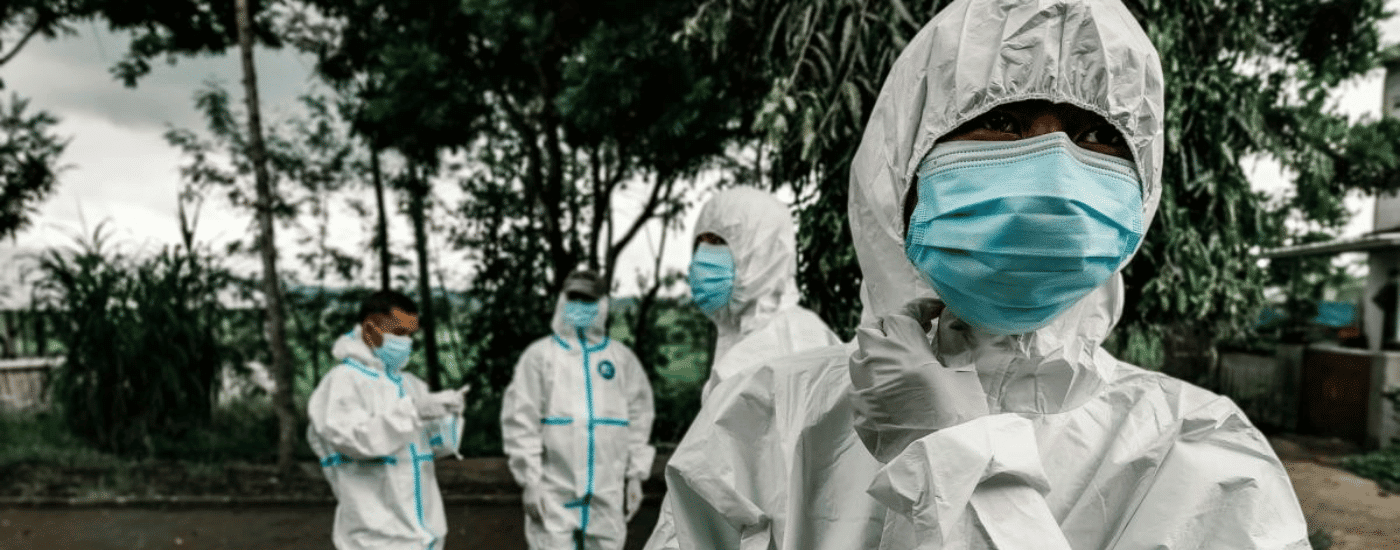
Faced with this epidemic crisis, Doctors of the World immediately strengthened the protection of its teams and of the people treated in the health centres. The Ebola virus is transmitted through direct contact (via bodily fluids such as blood, saliva, and urine) or indirect contact (surfaces contaminated by these fluids), which necessitates a strict protocol:
- Activation of the “No Touch Policy”: prohibition of direct contact between people and wearing of masks (to avoid possible projections by droplets)
- Anyone exhibiting at least one of the symptoms (fever, diarrhea, vomiting) must be placed in isolation for 21 days.
- Automatic temperature measurement of individuals before entering Doctors of the World premises and at the reception of health centres
- Regular hand washing with a foot-activated chlorination system
- Regular cleaning of the premises by chlorination
Doctors of the World is coordinating closely with local health authorities, NGOs and the WHO to strengthen surveillance and emergency response efforts. Community awareness is also critical. Teams are helping communities understand symptoms, reduce misinformation and encourage early reporting of suspected cases.
Support the emergency response
Our medical teams are working under intense pressure to contain the outbreak and continue delivering lifesaving care.
Your support can help provide emergency protective equipment, medical training for local healthcare workers, safe and functioning health centres and essential care for communities in the DRC. All to keep both the people giving and receiving care safe.
