Belgium: Police violence against migrants and refugees in transit

Published 30th October 2018

Since the beginning of the medical consultations for migrant and refugee people in Brussels and the Coast, our volunteers have been confronted with stories of police violence,” says Nel Vandevannet, Director of National Projects at Doctors of the World Belgium, to explain the genesis of this investigation.

“This report highlights the magnitude of this problem in a structured and methodical way”. The report is based on the testimony of 440 people. 25% – or 110 – of those interviewed said they had experienced police violence.

Violence in the field and in police stations

More than half of the testimonies (58%) report blows with hands, feet or clubs. ” Half of the people say that the violence took place when they were immobilized, ” says Nel Vandevannet. “Others say they have been racketeering and stealing money” The majority of cases of violence occurred in police stations prior to incarceration. 66% of those arrested reported experiencing physical or mental violence at the time, particularly during strip searches and fingerprinting. “The police can only conduct strip searches to check for prohibited items when there are serious suspicions. 

However, 6 out of 10 detainees were subjected to forced strip searches , which were accompanied in 72% of cases by humiliating behavior, where the naked person was beaten, mocked or pushed against a wall while another police officer took off his underpants:

When we arrived at the police station they put us in a room and beat us up. (…) I asked them why they treated me like an animal and they hit me even more. Then we had to get all naked in front of each other for them to search us. I did not want 4 policemen stripped me off. There were women police too, they did nothing but they laughed, “said a 29-year-old Libyan.

Use of violence when taking fingerprints

35% of those arrested refused to give their fingerprints. They have all been victims of torture as defined by the Istanbul Protocol . The same methods are found through the testimonies: punches, kicks and clubs, leaving the person dressed only in a t-shirt or underwear in a cell at very low temperature (fridge house), deprivation of food, drink and sleep, denial of access to sanitary facilities or handcuffing for many hours, forcing the person to remain in a painful position.

The policeman was shouting at me loudly for me to give my fingerprints. I did not want to give them so they told me that I was going to stay 48 hours here. I remained tied behind my back for about 48 hours . They pushed me violently into the cell and as I was tied I fell to the ground and I hurt my arm. (…) I was very cold in the cell because I only had my t-shirt and underpants and there was a fan on. I asked to have my clothes but they refused. I also asked that they detach me because I was hurting so much they said to me in English “just go back to your country and ask them”, “says a 17-year-old Ethiopian

Inhumane incarceration

” Belgian law states that anyone who is incarcerated for any reason has the right to water, access to sanitary facilities and a meal, ” says Nel Vandevannet. It appears, however, according to this report that 41% of those arrested have received nothing to drink or to eat for more than 15 hours . 4 people also said they did not have access to sanitary facilities. One person claimed to have had to feed in a bucket for 48 hours. The seizure of medicines and medical equipment is also noted :

Between February and June 2018, about 15 of his patients came back to consult the doctors of the Hub because they had taken their medicines, like antibiotics, chronic treatments (for example treatment against epilepsy or HIV), birth control pills or medications to take before hospitalization. A woman with HIV could not get her bag after an arrest and ended up without her medication. Once at the Hub, she had to be hospitalized urgently and it took more than a week and three trips to the clerkships to get her stuff back, “says Louisa Ben Abdelhafidh, medical coordinator.

Minors treated in the same way as adults

Almost one in three witnesses (27.5%) was a minor at the time of the interview and 29% of the violence identified in this report concerns minors. ” Worrying and unacceptable! According to Doctors of the World: “Thousands of unaccompanied minors, migrants and refugees, are wandering around Europe right now. These are very vulnerable groups, easy prey for human traffickers and clandestine networks. The law provides that a police officer who assumes that a person is a minor must immediately contact the Guardianship Service of our country . According to our report, this protective measure is not applied, on the contrary: the minors interviewed are treated – sometimes extremely violently – in the same way as adults.

50% of minors report being beaten or bitten by police dogs during checks or arrests . 4 miners testified about the deep humiliation felt during strip searches at the police station. Two of them had their underwear removed violently. 1 miner was placed in a cell cooled to the extreme by an air conditioner, wearing only his underpants and t-shirt. Two others were blackmailed and had to give their fingerprints in exchange for food and drink or their release.

And then ?

This report reveals a reality that has remained hidden until now: a significant part of the migrants in transit in our country is confronted with excessive physical and psychological violence . 1 in 3 affected people is a minor. “In the short term, we demand that all forms of police violence cease immediately, that the law be respected and that those who are guilty of such practices be judged. We also believe that a fundamental debate on our migration policy must take place: this violence is a symptom and a consequence of the migration policy that has so far only aimed at the repression and criminalization of migrant people.”

This report is primarily intended for our policy makers: they are responsible for what is happening on the ground. ” Migrants but also local and federal police services have been subjected to unsustainable pressure for months and are expensive, useless and harmful migrant hunting counters. Political rhetoric has slowly but surely drifted into a dehumanization of migrants and has led to increasing pressure and a sense of discouragement by the police on the ground. ” Doctors of the World Belgium also recommends opening a reception and orientation center, protective measures for minors and a tolerance policy regarding humanitarian aid provided to them
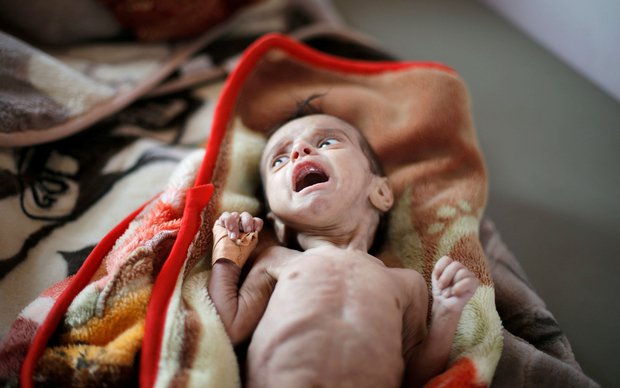
Yemen: Emergency Appeal

Published 26th October 2018

A child sick and starving. Dying every 10 minutes.

A country at the point of no return.

In Yemen, millions are trapped in the country, with no access to food, to medical support. The conflict that exploded in 2015 has left 22 million people in need of humanitarian assistance, 14 million at risk of starvation.

Malnutrition and preventable diseases are claiming victims by the minute.

Doctors of the World is working in the three most afflicted regions. The teams in Sana’a, Ibb, and Amanat Alasimah are running against the clock to save thousands the children, women and man of Yemen.

You can help save lives by donating to our Yemen appeal now.

Donate Now

A cholera outbreak is looming, cases of diphtheria have been recorded, and most of the health infrastructures have been destroyed in the conflict. 66,000 children die each year in Yemen from preventable diseases.

Cholera, diphtheria, and above all starvation are treatable.

We must act now to help the people of Yemen. Help saving lives by donating to our Yemen appeal now

Donate Now

Notes on pictures

Doctors of the World does not usually publish pictures of children and people in vulnerable circumstances in such a graphic manner. However, we need to respond to the media silence on the crisis in Yemen, and witness to the world the state of affairs in the country.

Pictures credits

Taylor Hicks – New York Times

Reuters

Our Conditions For Returning Home?

Published 17th October 2018

Forced to flee their village in Sinjar, Ismael and Zere sought refuge in Chamesku camp, the largest IDP (Internally Displaced Persons) camp in Northern Iraq, which provides refuge for over 27, 000 displaced civilians. It is mostly inhabited by the Yezidi community, who have been particularly targeted by ISIS (Islamic State of Iraq and the Levant/ al-Sham).

Zere recounts, “We have been living in Chamesku camp since 2014. We had no choice but to flee when ISIS invaded our village [in Sinjar]. I remember when we fled, leaving in the morning before they entered the village at 2 pm. They were not as lucky as we were, they did not escape. We were able to reach Iraq and ended up in this campIt is not the first time that we have had to leave behind our homes, we have suffered persecution and forced displacement ever since 1975, but never have we experienced anything like what we went through 4 years ago. It is beyond description”.

 “We haven’t heard from our former neighbors and friends since our arrival here, as they are scattered all over the place [among different IDP sites and over great distances]; this worries us. Life in the camp and as a displaced person is far from easy, we face daily challenges related to the lack of electricity and food; we are very much uncertain about the future”, she continues.

For both Ismael and Zere, returning to their homes in Sinjar is not an option, at least not until it is completely safe2Ismael further explains, “I suffer from a chronic disease and as such need continuous access to medical treatment and a proper hospital. So long as this is not possible in Sinjar it is impossible for me to return”.

If you would like to help people like Sinjar, Ismael and Zere, donate to our Refugee Fund here.

World Mental Health Day An invisible crisis prevails in Syria and Iraq

Published 10th October 2018

An invisible crisis is happening in the countries affected by the Syrian and Iraqi crises. Doctors of the World (Médecins du Monde) releases a booklet to mark World Mental Health Day (October 10th) in order to shed light on the important mental health and psychosocial needs of people who have been plagued by the protracted Syrian and Iraqi crises. This publication calls upon international and regional decision-makers to consider a response to mental health needs as a priority.

Armed conflict and natural disasters pose significant challenges to the long-term mental health and psychosocial wellbeing of affected populations. The Middle East has long been plagued by war and conflict, resulting in mass loss of life, displacement, and cross-generational changes to traditional familial and societal structures. The results can be devastating to the emotional wellbeing of affected populations throughout the region with notable increases in the prevalence of common mental disorders such as anxiety and depression. According to the 2018 Humanitarian Response Plan for Syria, one in five Syrians are at risk of developing moderate mental health issues, and one in 30 is at risk of developing severe or acute mental health problems.[1] There is a pressing need for high-quality mental health and psychosocial support services provision.


Doctors of the World is responding to this need by implementing programs enabling access to essential mental health care and psychosocial support.

The MdM publication: “An Invisible Crisis: Exploring Mental Health Needs in the Syrian and Iraqi Crises” highlights the numerous challenges to quality service provision, along with the organisation’s response to mental health needs, and recommendations for international and regional decision-makers.

The booklet can be downloaded as PDF here.

[1] https://reliefweb.int/sites/reliefweb.int/files/resources/2018_2018_hrp_syria.pdf. Page 60

Doctor Mukwege wins Nobel Peace Prize

Published 5th October 2018

“It’s with great joy and pride that Doctors of the World received the news that the Nobel Peace Prize has been awarded to Doctor Mukwege and Nadia Murad. This award recognizes the horrendous agony of countless victims of sexual violence in Congo. Doctors of the World has been working together with Dr. Mukwege in Bukavu since 2015, coordinating the medical aspects of the Sexual Survivors Project in Mukwege’s Panzi Hospital. Throughout this partnership, an average of 170 women a month receive medical treatment and surgery.

“Dr. Denis Mukwege was in the surgery block when the news came in, operating victim of sexual violence”, says Eric Wijnants, Coordinator of Doctors of the World, based in Bukavu.” This anecdote says everything about him – even winning a Nobel prize doesn’t stop him from doing his number one priority in life – healing and protecting survivors of sexual violence.

“All of us – his partners, other NGOs, the doctors, the midwives, psychologists and lawyers – are one big team with Dr. Mukwege in the center, mobilizing all of us in his fight against sexual violence. As a partner, we are extremely proud to be working on his side on the field.”, says Pierre Verbeeren, Director of Doctors of the World Belgium.

After founding the Panzi Hospital in 1999, Mukwege was increasingly being confronted with the horrors of the sexual violence that were being used as a weapon of war in the region: countless of women, genitally and sexually mutilated by armed militia seeked his help. Dr Mukwege, profoundly touched and agonized of what he witnessed, decided at that point to dedicate his life to the recovery of the survivors of rape in Bukavu. Almost 20 years later, the Panzi hospital has become a reference for the physical, psychological and social recovery of women and girls who have been sexually mutilated.

Doctors of the World Launch Global Clinic

Published 4th October 2018

Update: Urgent Crowdfunder
Doctors of the World is preparing to deploy the first Global Clinic this summer where it will support refugees access mental health care.
Support it today!


The Global Clinic was launched today at the Wellcome Collection. The Global Clinic is an innovative mobile centre designed by Roger Stirk Harbour + Partners, BuroHappold Engineering and ChapmanBDSP. First in its kind, it demonstrates how architecture can respond to worldwide issues in health.

Today, Doctors of the World operates in over 80 countries. Our medical professionals face a variety of challenges. They work in all corners of the globe, from Palestine to Nepal, in different climates, in emergencies, and in protracted situations. The Global Clinic was designed by asking doctors and healthcare professionals what would work best in the field.

The response was found in a clinic made of plywood and constructed by a CNC (computer numerical control) machine. The Global Clinic can then be easily transported and built, constituting an adaptable and strong structure. Simple and economically built, it upholds the focus on privacy, accessibility, and sustainability.

Ellen Waters, Director of Development at Doctors of the World UK, contributed to its design and ideation. “Refugees fleeing their homes, and survivors of natural disasters will have often suffered severe loss, separation, physical pain and witnessed unimaginable suffering. We love this innovative Global Clinic, which can be quickly deployed anywhere to provide the safe, sanitary and private space in which our doctors can discuss health concerns and, most importantly, give psychosocial support for mental health, exacerbated by the trauma they have experienced.”

The Global Clinic is currently displayed as part of Living with Buildings exhibition at the Wellcome Collection. Living with Buildings examines the positive and negative influences of buildings on health and wellbeing. The Global Clinic will be presented to the public until early March, and will later be sent to one of our teams in the field.

If you would like to visit our Global Clinic, please find further information on the exhibition here.


The Hidden Refugee Crisis in Bosnia and Croatia

Published 2nd October 2018

Migrants crossing to Croatia from Bosnia are being pushed back and harassed by the Croatian police. With over 13,000 migrants arriving in Bosnia last year (a 15-fold increase from the previous year) a new refugee crisis along the Balkan route is developing.

Following a number of reports from civil society and international newspapers, reports of violence by the Croatian police are quickly spreading. Migrants crossing over from Bosnia have been pushed back, beaten and their possessions have been stolen. The beatings targeted men, women and young children. Some were hit with police batons, others were kicked and punched. Men and women were rounded up, made to undress, forcefully searched, and then beaten. They have been physically scarred, cannot access the medical care they need, and have suffered severe mental abuse.

People depart every night from Velika Kladusa, a small city on the Bosnian border. They are making their way through the forest towards Croatia. The situation in the town was described by Peter Van der Auweraert, IOM’s representative in Bosnia and Herzegovina, as “a human catastrophe”. The border corresponds to the last European frontier, and returning refugees across the border to Bosnia constitutes a breach of the non-refoulement principle, according to which EU states cannot return refugees to a state where they face a threat to life or liberty. The Croatian police have been breaching international and European law every day. According to UNHCR, over 2,500 people have been pushed back. Countless more have been beaten and harassed.

Here are some of their stories:

Rahim, 38, from Afghanistan*
“Every country we have been in we have had problems with police, but nothing like Croatian police. I don’t mind which country we end up in. My daughter is sick, I just want to take her somewhere with good doctors. We don’t have any money so we can’t pay smugglers.

“We are just walking, walking, walking every time in the night. Last time, we were five days in the forest, but then the police stopped us at the end. They took €180 from me and sent us back. This time they didn’t hit me. They have beaten me twice out of five attempts.‘‘

Leila, 45, from Iran*

“I have tried five or six times to cross into Croatia, every time they have caught me. Once they lied to me, they said I could stay for 21 days if I signed some papers at the police station, so I did. Then they took my photograph, drove me back to the border, and let me out. They stole my last €150 and my telephone. I have paid thousands of euros and I have been travelling for two years. I have two daughters here with me and I don’t know what to do.‘‘

Please donate to our Croatia Emergency Appeal so we can provide medical care and supplies to these desperate refugees.


*Case studies from The Guardian

Protect human rights before it is too late

We, the presidents and directors of DOTW’s 15 chapters, are extremely concerned about the increasing tendencies of isolationism, far-right populism and exclusion in many countries. It is part of DOTW’s identity to bear witness to human rights abuses. We therefore cannot remain silent as walls and fences are going up, men, women and children are forced to live in camps under deplorable conditions – not only in the global South but also in Europe, Asia and North and South America – political leaders are engaging in dehumanizing, sometimes outright racist, rhetoric, and civil society is increasingly under threat.

The hateful language and fear mongering we are observing across the globe are reminiscent of the darkest times in our history and only distract from the important challenges our world is facing today: The protracted crises in countries such as Syria, Yemen, the Central African Republic, the exodus of Rohingya refugees from Myanmar, increasingly precarious living conditions for large parts of the population, even in advanced economies, as well as other obstacles preventing billions of people from accessing necessary health care.

With more people displaced than any time since the Second World War, we are facing a historical global crisis. But more than a refugee crisis, it is a crisis of solidarity, a crisis of human rights.

“No more excuses – Advocating for Human Dignity in Times of Crisis” is the motto of this year’s Humanitarian Congress, on the occasion of which the annual meeting of all 15 chapters of the DOTW International Network in Berlin is taking place. As today they are routinely undermined, we re-affirm very clearly that human rights are a binding commitment, and that human dignity is non-negotiable.

International actors must provide aid to those in need on the basis of solidarity and human rights, instead of furthering militarization and by engaging in harmful geopolitical interventions under the guise of “humanitarianism.”

We are calling on leaders to do everything in their power to allow everyone on this planet to lead a life in dignity. We need to take action now!

Doctors of the World and partner NGOs decry failure of Oslo Accords

Published 19th September 2018

Doctors of the World joined with more than 80 NGOs to publish a report highlighting the failures of the Oslo Peace Process and urging new negotiations. The report marks the 25th anniversary of the Oslo Accords this month.

The report boldly criticizes the Oslo Process, noting that it was initially a “beacon of hope to end conflict between Israel and the Palestinians”. But 25 years later, it “has manifestly failed to deliver the ‘just, lasting and comprehensive’ peace it promised”.

The report, entitled 25 Years after the Oslo Accords – Time for a New Narrative, traces the Accords’ unravelling, and emphasizes how a lack of accountability and sustained pressure from the international community contributed to it. Life for Palestinians has devolved into cycles of poverty, violence, and human rights violations under Israeli occupation.

Especially in Gaza, a blockade since 2007 has made life abysmal. Daily power outages plague the territory, 96% of tap water is unsafe to drink, and nearly three-quarters of the shoreline is polluted by raw sewage.

But peace between the two peoples could dramatically change this situation. The report urges Israel, the Palestinians, and the international community to start fresh with negotiations based on six principles, including human rights and accountability under international law.

Read the full report Oslo_25+_final-WEB_PAGES.

European Patent Office maintain patent on hepatitis C drug sofosbuvir

Published 14th September 2018

This week, Doctors of the World together with Médecins Sans Frontières and other organisations* from 17 countries challenged a patent on the hepatitis C drug sofosbuvir at the European Patent Office (EPO). EPO decided to maintain this key patent on a pharmaceutical component, despite the fact that this component is inactive.

This unmerited patent contributes to Gilead’s monopoly and prevents hundreds of thousands of patients from receiving affordable treatment.

The verdict shows how pharmaceutical companies abuse the patent system by using patents for their own interests instead of for their original purpose. Patents were devised to improve the well-being of society, preventing access to affordable treatment is in direct contradiction to this purpose.

Unmerited patents create monopoly positions, allowing companies to pressure governments into paying exorbitant prices for life-saving drugs. For this reason, Gilead can charge up to €43,000 for the twelve-week sofosbuvir based treatment in some European countries. The massive financial burden on the health systems caused by the excessive prices place a burden on the tax payer, who have paid more than €8.5 billion into Gilead’s pockets. This drives the health systems to the brink of collapse.

As a result, the treatment based on sofosbuvir, which is currently the most effective one, has been rationed in many countries.

“We are very concerned by this decision of the European Patent Office. It demonstrates that the patent system is broken in Europe. We are extremely worried what this will mean for the many new cancer drugs that are currently coming on the market. Their price is tenfold higher than the price of sofosbuvir”, says Oliver Maguet of Doctors of the World drug pricing campaign.

Doctors of the World urges European government to take serious action regarding EPO and the European Patent System. Pharmaceutical companies must comply with European patent convention requirements signed by the 38 member states.

By filing the opposition, Doctors of the World and its allies forced Gilead to itself amend its patent prior to the public hearing. “It is vital for civil society organizations to challenge the patent system in Europe. This is the only way to provide evidence on patent abuse and the lack of scrutiny by the EPO”, says Olivier Maguet.

*The additional organizations who were part of the patent opposition include: European Public Health Alliance (EU-wide); Salud Por Derecho (Spain); AIDES (France); Praksis (Greece); and Access to Medicines Ireland

Civil Society Groups Call for End to Gilead’s Hepatitis C Drug Monopoly in Europe

Published 11th September 2018

This week in Munich, the European Patent Office is hearing a legal challenge filed by groups in 17 countries in March 2017 against an unmerited patent that allows US pharmaceutical corporation Gilead Sciences to charge exorbitant prices in Europe for the key hepatitis C drug sofosbuvir. The organizations Doctors of the World, Médecins Sans Frontières (MSF) and Just Treatment are among the patient and treatment provider organizations* that challenged the validity of a Gilead patent on sofosbuvir on the grounds that it does not fulfill the requirements to be a patentable invention from a legal or scientific perspective. The groups today urged the European Patent Office (EPO) to rethink its decision that gives Gilead this monopoly. The EPO will hold a public hearing on 13 and 14 September to make a decision on the case.

If the patent challenge is successful, a major step will have been taken toward allowing the production and importation of affordable generic versions of sofosbuvir in Europe, thereby protecting health systems across Europe from illegitimate financial burden due to excessive corporate pricing of this drug. The extremely high prices in Europe of newer hepatitis C medicines—called direct-acting antivirals, or DAAs—has led civil society organisations to investigate and subsequently challenge the monopoly status and legitimacy of such patents.

“I have been through an extremely agonizing wait for three long years to get access to the critical oral hepatitis C medicine sofosbuvir,” said Clare Groves, Just Treatment patient leader who was treated and cured of hepatitis C through the NHS, which was forced to ration supply of the medicine due to its high price. “I was repeatedly told by my doctor that I am sick, but not sick enough to qualify for the treatment under the public health program. I don’t want other people to be denied sofosbuvir because its price is exorbitant, so I will continue to fight for their access to this hepatitis C cure.”

The World Health Organization estimates that 15 million people in the European region—approximately one in 50 people—are chronically infected with hepatitis C, leading to approximately 112,500 deaths per year from related liver cancer and cirrhosis. The advent of DAA drugs, which offer a safer, shorter and more effective cure compared to older treatments, has marked a major breakthrough in the treatment of the disease, with cure rates higher than 90%, compared to around 50% previously. Sofosbuvir forms the backbone of most hepatitis C combination treatments, yet access to these newer treatments remains very limited globally because of high prices, with governments and treatment providers in many countries forced to ration treatment and limit access only to people with advanced forms of the disease

Gilead charges as much as €43,000 for one person’s 12-week treatment of sofosbuvir in Europe. Meanwhile, in countries where the drug is not patented, competition among generic producers has driven the price of sofosbuvir to just €52 for the same treatment course. Studies have shown that it costs about €0.50 per daily pill to manufacture the drug.

Financial barriers in access to medicines and healthcare have become a challenge for high-income countries in Europe, … it’s time to challenge unmerited patents in Europe

“Financial barriers in access to medicines and healthcare have become a challenge for high-income countries in Europe, and because unmerited patents are the key driver for these excessive prices, it’s time to challenge unmerited patents in Europe,” said Olivier Maguet, of Doctors of the World’s drug pricing campaign.

While the high prices charged for medicines are a well-known problem in many parts of the world, the recent excessive pricing of DAAs has for the first time brought Europe’s attention to the impact that monopolies have both on health budgets and on people’s access to many other essential medicines. Legal challenges against patents on sofosbuvir and other DAAs have been filed in several countries, and key patents on sofosbuvir have already been rejected in Egypt, China and Ukraine. Decisions are pending in other countries, including Argentina, Brazil, India, Russia and Thailand.

*The additional organizations who were part of the patent opposition include: European Public Health Alliance (EU-wide); Salud Por Derecho (Spain); AIDES (France); Praksis (Greece); and Access to Medicines Ireland

x

With your support, Doctors of the World will make sure nobody suffers or dies due to lack of access to healthcare.