The world is on fire: floods, drought and extreme heat displaces millions already living through crisis
Published 6th August 2026
This summer, most of us have experienced it. Europe’s record-breaking heatwaves, hosepipe bans across England, wildfires tearing through rain-starved grassland, over 21,000 hectares burnt across the UK by the end of July alone. It’s been scary to navigate these hotter and drier months.
Whilst our changing climate is worrying, we’re not living through a drought that’s killed our crops, our livestock and our livelihood. We’re not watching our town flood and landslides destroy houses and schools. We’re not in the middle of brutal wars, having to choose between staying put in unliveable environments or leaving everything behind.
For millions around the world, the environmental crisis is causing unprecedented levels of displacement, with 70% of the world’s refugees and asylum seekers forced to flee countries already suffering the effects of climate change in 2022, reports the UNHCR.
Global warming is a global issue
The UN’s World Migration Report estimates that climate impacts could force 216 million people to move within their own countries by 2050. We know this is already happening.
In the Horn of Africa, Somalia, Ethiopia and Kenya, a 2020 drought has driven 13.5 million from their homes and turned 4.5 million into refugees, alongside a raging conflict. In early 2026, Oxfam reported nearly 26 million people live with extreme hunger across the three countries, and the Integrated Food Security Phase Classification (IPC) estimates almost half of Somali children will need malnutrition treatment.
In 2022, Pakistan and Nigeria endured floods, submerging entire villages and displacing around 8 million and 2.4 million respectively. In Somaliland, families are forced to migrate, unable to survive the drought as crops fail and livestock die without reliable rain. Sudan’s ongoing flooding in Kassala, Gezira, East Darfur and North Kordofan, on top of a brutal and active war, damages farmland, livestock and thousands of homes.
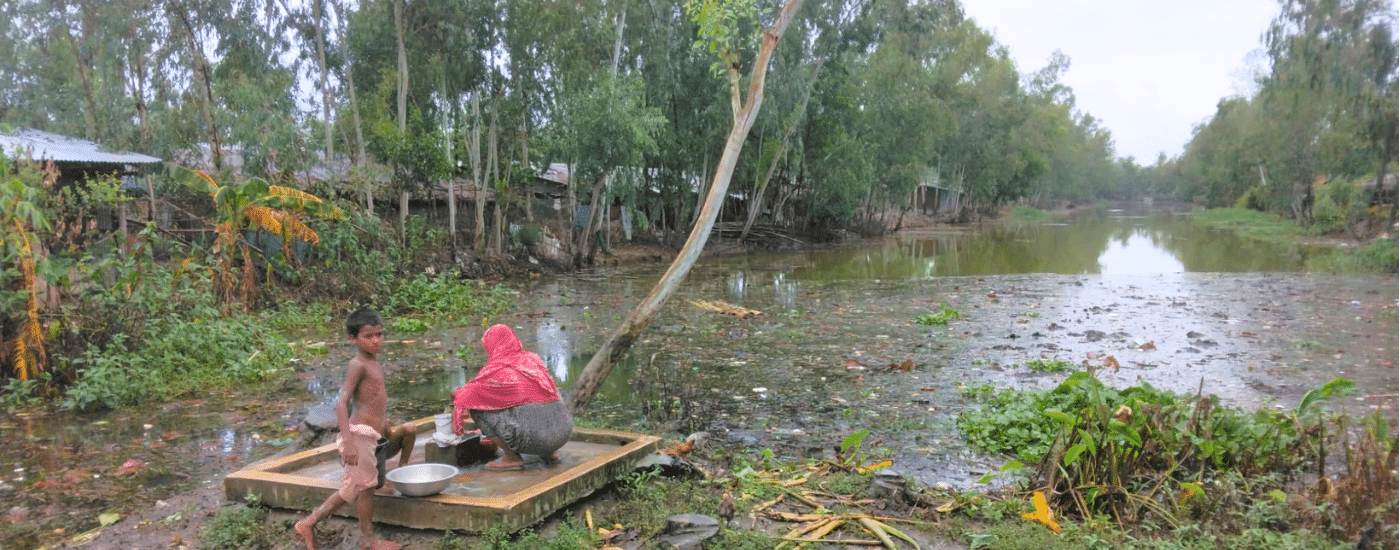
Right now, Doctors of the World Japan is responding to Bangladesh’s crisis affecting 400,000 people. Torrential rain hit Chattogram and Cox’s Bazar districts, where 1.19 million refugees live in Rohingya camp’s overcrowded shelters.
For populations living in already vulnerable situations, in conflict, poverty or weak governance, the impact of alarming environmental change is so much more devastating. Climate change forces communities to migrate when an already fragile situation becomes impossible.
Where UK law hasn’t caught up
Under the 1951 Refugee Convention, climate-induced displacement still isn’t recognised as a ground for asylum in the UK.
Someone whose home became unliveable because of drought or flooding must frame their claim around conflict or persecution, despite the environmental disaster at the root. Campaigners, including Refugee Action, have called for this gap to be recognised.
Where we come in
Doctors of the World is one of the founding signatories of the Statement of Commitment on Climate by Humanitarian Organisations, signed in 2020 alongside twelve major aid organisations. We’re committed to building climate and environmental risk into how we plan and deliver care.
Here in the UK, our care is unconditional. Whatever combination of conflict, poverty or environmental collapse brought someone to us, our response is the same: healthcare is a human right.
Across the network, our operational teams respond urgently to environmental crisis and disaster, supporting communities fleeing their home countries and destroyed livelihoods. We deeply recognise the communities least responsible for the crisis are often most exposed to it and will continue to bring healthcare, medical aid and support to the populations surviving without it.
And your continued support makes this work possible.
