
Street Outreach: the golden standard to deliver healthcare
Published 4th April 2022
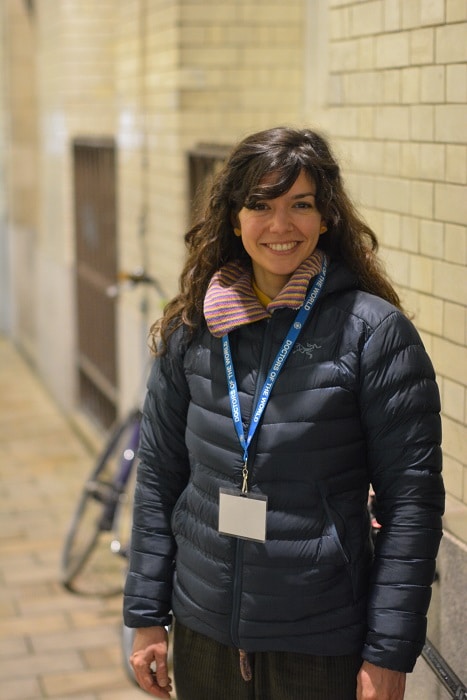
In this brief interview, Alex Malet, our Homeless Health Nurse speaks about her experiences in delivering healthcare to people experiencing street homelessness in the City of London and on how street-based outreach is the golden standard of bringing healthcare to people living in the streets.
How did you come to the role?
I was volunteering with Doctors of the World since 2019 in the Clinic and supporting asylum seekers and undocumented migrants during our outreach with the mobile clinic in various locations.
Alongside this, I also work in A&E and in the past I have worked with other humanitarian organisations as well delivering medical care to vulnerable people including inmates in prison.
When the role came up it sounded really interesting and a really good opportunity to work with this group of patients.
What does your day-to-day work involve?
When I joined DOTW’s project in the City of London, it had been running for just under 2 years delivering street-based outreach services to people experiencing street homelessness.
This means normally cycling or walking with a backpack with all clinical materials and delivering primary care and supporting people to register with a GP.
We also liaise with other services to make sure people are receiving the multi-pronged support they need. It could be that they need to be put in touch with mental health services, substance misuse services or adult social care if there are safeguarding concerns.
What do you think are the differences between this group of patients, the general population and other patient groups DOTW works with (such as people seeking asylum and people with precarious immigration status)? What were your learnings?
For me this project has helped me understand that unless you work with this population specifically you cannot appreciate the specificity of their needs.
The people we have worked with during this project are very vulnerable and often have had traumatic experiences in their lives, in some cases from when they were children.
It could be that their parents separated, they went into care, or their parents had issues with substance misuse or poor mental health.
Often, these experiences have remained undealt with, and they still carry and are affected by them, or repeat the same traumatic experiences.
It was quite hard to engage with lot of the people we worked with, because whilst the City is quite small, there are often hidden places where people experiencing homelessness go which are difficult for us to reach.
It is often very difficult to unpick the reasons why someone might decide to remain on the streets and not want to be housed. Often in these cases quite a few organisations need to work together to try and improve a person’s situation.
What are the ways to help people when they don’t want to move off the streets?
In my experience working on the project, I can think of few cases where people wanted to live on the streets and not depend on anybody (including the state), to maintain what they see as their independence. Often, they would not engage with us in terms of monitoring their health. In these cases, we always tried to assess as best as we could their health needs and involve other teams to avoid situations such as self-neglect.
However, in some cases we were able to really help.
For instance, I can think of a particular person who had had a long experience of rough sleeping but really engaged with me on their health.
He had high blood pressure, and through our initial interaction we were able to provide clinical support and also reconnect him with the homeless charity St Mungo’s, which he hadn’t wanted to talk or interact with for a long time.
It was great that as a result of that initial conversation, he has now moved to a house managed by the charity.
After the initial registration, do people go on and use GP services?
It depends. If you keep supporting people and prompt them to go to the appointments you booked for them some of them will engage really well with the health system.
Prompting and reminding people of their medical appointments has been a key part of the role, as you have to make sure that people manage to receive the care they need despite the challenging circumstances they find themselves in.
Are there more informal networks of support that you can tap in to expand the number of people you are helping?
If somebody is homeless and on the street you can refer them to specialist local charities through an app called StreetLink. It allows anyone to signal that they have seen someone sleeping rough in a particular area. This then goes onto specialist charities such as St Mungo’s or ThamesReach.
Another amazing organisation is StreetBuddy. They are really good at working with people that are often quite reluctant to move inside. This is helped by the fact that many people working for them have lived experience of sleeping rough and they can use their experiences to explore the reasons why some people don’t want to be housed inside.
What was the immigration status of the people you were seeing?
I would say that the majority (60%) were UK citizens. The rest were from the EU or other countries with some having No Recourse to Public Funds.
Did they know their entitlement to primary care?
Yes, and I don’t think for this group concerns in relation to their immigration status was the most pressing issue. In fact, both primary care and A&E are free to everyone but due to their complex personal circumstances, we found that it can be more difficult for them to engage with additional medical investigations compare to other patients we support in our clinics.
How has the pandemic affected people experiencing street homelessness?
I started in the role in September 2021, just as the end of the Everyone In policy which colleagues told me led to most rough sleepers being accommodated temporarily in accommodations including hotels.
Speaking to people in Tower Hamlets, where we are working now, we have been told that since the end of the policy they have seen an increase in the number of people sleeping rough. This is also due to the fact that if you have No Recourse to Public Funds, it is basically impossible to get accommodation. Many people are from the EU, but have really struggled to apply to the EU Settlement Scheme and secure their status due the digital first approach of the scheme which for many of our patients it is so difficult to engage with.
It will be more difficult for people who are not UK citizens to receive accommodation and get the help they need. There is a risk of accommodation for homeless people with NRPF being reduced, worsening an already precarious situation.
How is the City of London building on our 3-year project there?
It was the City of London Corporation that commissioned our project, to better understand the health needs of people experiencing street homelessness in the area, and we have worked in close collaboration with them for these three years. As a result of our findings and recommendations, they have decided to utilise a mobile bus called “Change Please” run by a charity who offers several services to people experiencing homelessness including a washing machine, getting a haircut and the possibility of consulting with a nurse.
Our main recommendation has been that, to deliver effective healthcare for people living on the street, active, street-based outreach is the gold standard, as you are reducing health inequalities and bringing healthcare directly to the people who in many cases will face huge barriers in accessing healthcare.
What would be the best model to make sure that people living on the street can get the healthcare they need?
It would be great to see a blended approach that includes a mobile clinic where people can go if they want to access healthcare and other services as well as targeted street outreach to reach the largest number of people.
In some boroughs, street outreach is done by the NHS through nurses attached to a specific GP practice, which streamlines the process of registering them and then supporting them in their healthcare needs.
I think another really good learning from our experience in the City of London has been the importance of a multi-agency approach in supporting people living on the street, and good communication between various partners working on the ground to help and support people ,including helping people receive accommodation fairly quickly depending on a local authority’s budget.
Has there been someone who you have helped and has become an advocate for our work or healthcare more in general?
Yes, the person I was mentioning who, despite his quite serious cardiac problems wasn’t engaging with us, has now become super engaged with his health, got his second Covid vaccine and is convinced about the importance of taking care of his health. He now regularly goes to his GP.
