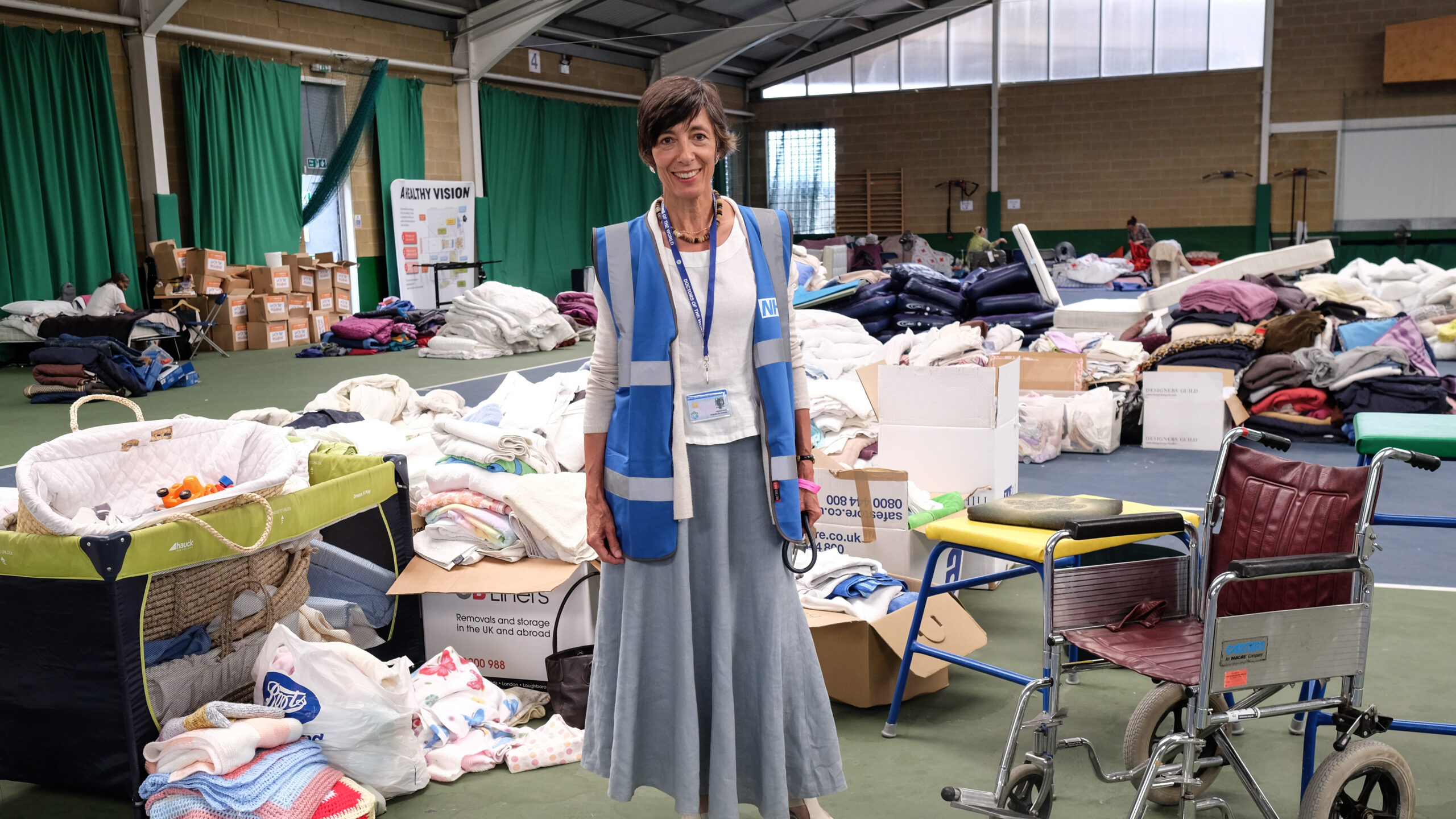

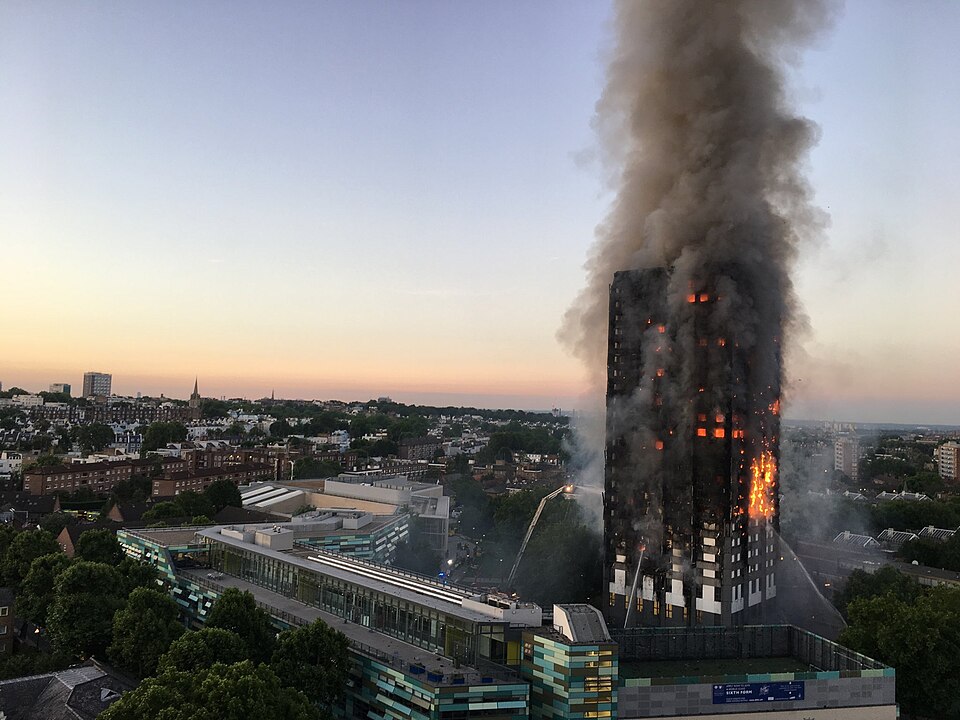
When Paquita arrived at Grenfell, ash was still falling
A temporary medical response zone had been set up nearby. With the help of the out-of-hours centre, Dr de Zulueta supported the urgent response, managing equipment, prescriptions and immediate care. Ambulances and services were called. The priority was helping people regain a “sense of hope” but Paquita explained that initially, ‘There was no examination couch, no screen, no medication, nothing. There were a lot of people in a terrible state of disorientation, they hadn’t got their medication with them, they hadn’t got their clothes.’
As Paquita spoke with survivors, one concern surfaced repeatedly.
The fear that NHS-held information could be shared with the Home Office and used for immigration enforcement. This is a barrier to accessing healthcare. ‘There were definitely people who were frightened of approaching healthcare professionals, because they felt we were part of the system, she said.
Having already lost homes and loved ones, survivors were also afraid to seek care. She worked with our London Clinic Director to establish a healthcare response for people who could not safely approach the NHS.
The wider problem
The Grenfell disaster unfolded in one of London’s most unequal boroughs, marked by stark inequalities in income, housing, and health outcomes. For refugees and people seeking asylum, accommodation is often difficult to secure.
People seeking safety find ‘the grottiest housing that’s available that no one else wants to live in’, she said, ‘it’s grossly inadequate’. The same systemic inequalities that left many residents living in unsafe housing can also influence access to healthcare. Migrants, refugees and low-income households face overlapping barriers across both systems, increasing vulnerability before and after crises.
Dr de Zulueta concluded by calling for a ‘radical rethink for safe, affordable housing’. ‘What is really important for people in the healing process is moral repair, reparative justice… and it is nine years now’.
This is unacceptable. And we’ll continue to challenge it.
As well as practical responsibility, we campaign against broken systems that repeatedly leave the same populations out.
There were definitely people who were frightened of approaching healthcare professionals, because they felt we were part of the systemDr Paquita de Zulueta